
Last updated on April 21, 2026
Data Monetization: The 6 Prerequisites Every Organization Should Get Right
By Lisa Moschkau
Modern data and AI technologies have made it significantly easier to create new revenue streams, strengthen customer offerings, and build competitive differentiation from the data you already own. Organizations that move now have an opportunity to turn existing data assets into measurable advantage while others are still treating data as a cost center.
In this article, we’ll break down what data monetization means, where it fits in your data and AI strategy, and what it takes to get started.
In this article, you will learn:
What Is Data Monetization?
Data monetization is the process of using data assets to generate measurable business value — either by driving revenue directly or by improving the decisions that increase profitability and reduce cost.
This isn’t a new concept, but it has never been more achievable. Modern data and AI technology make it possible to package data into scalable products, white-label analytics solutions, or high-quality internal assets that help teams make faster, better-informed decisions.
Data monetization is defined and achieved in two ways:
In this article, we explore external data monetization: packaging your data assets into something outside consumers will pay for — data products, insights, models, or analytics embedded into products and experiences you already deliver to your customer.
Why Now is the Time to Monetize Your Data
First, you can’t afford not to monetize
According to a 2025 PwC analysis, intangible assets (including data) now account for up to 90% of corporate value. Companies that can translate those assets into measurable outcomes are consistently pulling ahead of their peers.
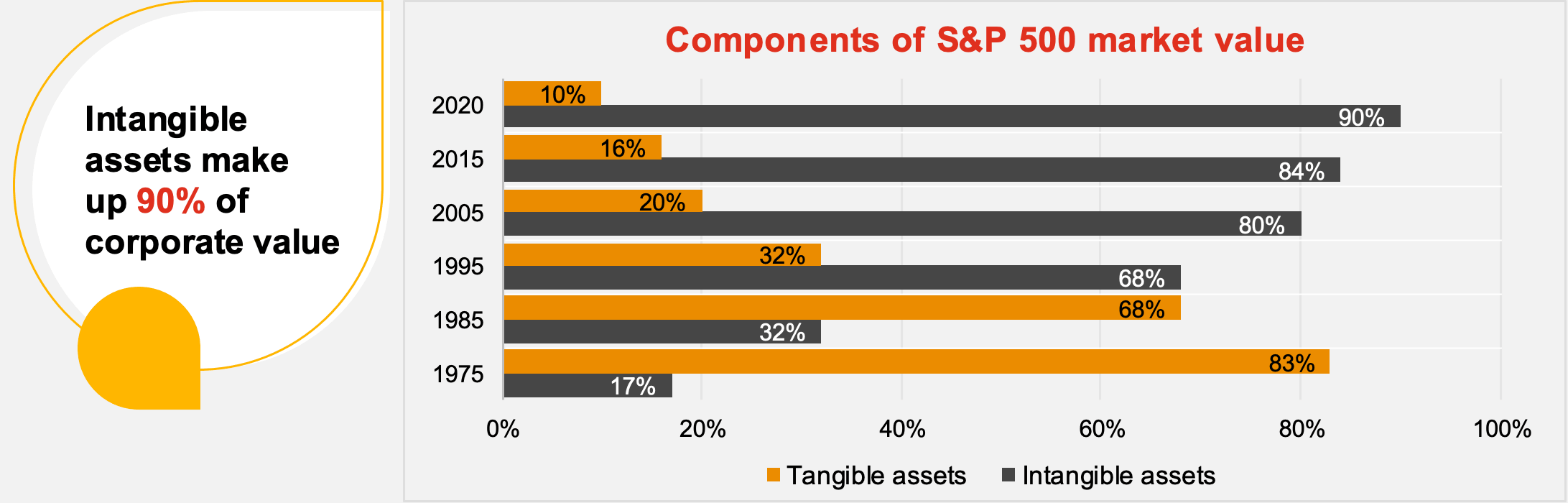
McKinsey first identified this pattern in 2017: data monetization efforts correlate with industry-leading performance, and the barrier to entry continues to fall. That’s especially true for organizations in the middle of modernizing their data infrastructure.
Internal data and common third-party datasets, however, are now table stakes. The competitive advantage now comes from differentiated data — especially proprietary, first-party data. As a result, the market is seeking unique datasets to power decisions and gain an edge.
Second, if you’re building for AI, you’re already building for monetization
Organizations that have invested in high-quality, AI-ready data foundations are often further along the path to monetization than they realize.
The connection most leaders miss: the work required to unify, govern, and trust your data for internal use is the same foundational work that makes data viable for external monetization.
AI is expanding what’s possible with data monetization and compressing the timeline. It also opens new monetization surfaces: commercializing predictive models as a product, embedding AI-powered features into customer-facing applications, or offering AI-driven insights as a managed service.
The practical takeaway: if your organization is asking “when will we see ROI from our data and AI investments?” — a clear data monetization strategy is how you answer that question.
Your data modernization investment and your data monetization strategy aren’t separate tracks — they’re the same path to turning data into measurable revenue.
Third, the modern data stack and AI have removed many of the barriers to monetization
What once required custom platforms, heavy engineering investment, and years of development can now be accelerated with a modern data stack.
Many of the capabilities needed for data monetization are already embedded in the tools companies use to modernize their data estate.
6 Prerequisites for Data Monetization
Based on our experience across hundreds of data and analytics engagements, these are the six prerequisites that determine whether a data monetization strategy delivers, or stalls before it starts.
1. Define your Data Monetization Model
Monetization can take several forms:
2. Determine High Impact Use Cases
Not every data asset translates into a monetization opportunity — and investing in the wrong one wastes time, budget, and organizational credibility. Before committing resources, identify which of your data assets have genuine external value: what’s unique to your organization, what problems it solves for a specific buyer, and whether the market is large enough to justify the investment.
Consider the full cost picture:
Any monetization effort depends on data you can trust. But ‘ready’ means more than clean and cloud-based. Data that’s monetization-ready is factually correct, carries clear business meaning, has documented lineage from source to output, and is structured around the use cases it needs to serve.
That means investing in data quality, governance, a data dictionary, clear ownership, and documented release processes.
Customer Story: See how a client turned fragmented datasets into a new revenue opportunity →
The good news: the work you do to prepare data for monetization always pays internal dividends for all your data initiatives, not just monetization.
4. Assess your Technology Stack
Audit what you already have before investing in new tools. Many organizations can leverage existing BI and cloud platform capabilities they’re already paying for. Where gaps exist, evaluate whether the investment is justified by the use case — and whether your stack can support the real-time or streaming requirements your monetization model demands.
5. Plan for Access, Security, and Compliance
If you’re providing external access to data, define how it will be accessed and at what volume — cloud query costs scale quickly when you’re not paying attention. Establish authentication requirements (SSO, API keys, anonymous access) and ensure compliance with GDPR, HIPAA, CCPA, or any other regulations relevant to your industry and the data you’re handling.
6. Build Organizational Alignment
For a monetization project to succeed, it needs executive sponsorship, clear ownership, and shared accountability across those functions. Assign dedicated product owners who will see the initiative through from strategy to execution, and define what success looks like for each stakeholder group before you start.
Frequently Asked Questions
How do I know if I’m ready to monetize my data?
Data monetization readiness isn’t a single threshold. Common signals include:
The most reliable way to assess readiness is to start small. Choose one focused use case where better data can reduce cost, improve decisions, or create new revenue. If you can prove value there, you have a foundation to scale.
Analytics8 helps organizations work through exactly this assessment — identifying which data assets have the most monetization potential and what it would take to bring them to market.
How long does it take to see ROI from data monetization?
For some companies, early ROI can come from a focused offering launched in a matter of months. For others, especially those building broader platforms or multiple products, returns may take longer as adoption grows and new revenue streams mature.
The biggest driver of speed is scope. Organizations that start with one clear, high-value use case and a defined go-to-market path typically see results faster than those trying to monetize everything at once.
The most effective approach is to treat data monetization as a phased strategy: validate demand, launch intentionally, measure results, and scale what works.
How does AI fit into my data monetization strategy? Conversely, how does monetization fit into my AI strategy?
AI expands what’s possible from your data — both internally (predictive models, automation, personalization at scale) and externally (commercializing models, embedding AI-powered features in products you sell). The foundations required for AI — data quality, governance, integration — are the same foundations required for successful monetization. Organizations investing in AI readiness are often building their monetization infrastructure at the same time, even when that’s not the explicit goal.
Where do most organizations stall when monetizing their data?
Most stall trying to do too much too soon — pursuing broad monetization ambitions before they’ve proven that their data can reliably drive value in a specific context.
The fix is focus. Establish a quick-win, highly visible use case built around datasets the business already knows well. The objective is to demonstrate that insights derived from your data are accurate, actionable, and repeatable. That proof point creates internal alignment and external credibility. From there, scale deliberately — expanding into additional datasets, more sophisticated analytics, and broader monetization models as confidence grows.
How do organizations that successfully monetize their data handle data privacy and compliance?
They treat compliance as part of the design, not a final review. Three practices separate organizations that scale monetization from those that stall on legal and risk concerns:
Analytics8 helps organizations build the governance frameworks and data models needed to monetize confidently, with compliance built in from the start.